

close
Choose Your Site
Global
Social Media

Views: 0 Author: Site Editor Publish Time: 2026-11-06 Origin: Site


In the medical and pharmaceutical sectors, precision and hygiene dictate market survival. A single microscopic dosing error can compromise patient safety and ruin costly production batches. Advanced ceramic technology has emerged as the definitive solution for fluid control in these high-stakes environments. High-purity alumina and yttria-stabilized zirconia vastly outperform traditional metals. They deliver unparalleled chemical resistance and mechanical durability.
Integrating pharmaceutical ceramic pumps into automated manufacturing lines requires evidence-based planning. System architects face the challenge of balancing strict regulatory mandates with the need for continuous, high-speed output. This guide unpacks the core design principles engineers and procurement teams must evaluate to guarantee absolute safety, regulatory compliance, and peak mechanical efficiency.
Unmatched Precision: Ceramic fluid systems offer micro-dispensing accuracy that remains mathematically consistent over millions of operational cycles. Mechanical degradation is virtually non-existent.
Chemical and Biological Safety: Advanced ceramics are inherently inert and biocompatible. This material property completely eliminates the risk of fluid contamination or adverse chemical reactions.
Hygienic Architecture is Mandatory: Proper system design must accommodate Clean-In-Place and Sterilize-In-Place protocols to meet stringent FDA, EMA, and cGMP standards.
Long-Term ROI: Initial design and machining costs may be higher. However, the extreme wear resistance of ceramic components drastically lowers long-term maintenance and replacement expenditures.
Material selection dictates the ultimate reliability of any healthcare fluid control architecture. Traditional stainless steel, even high-grade 316L, and engineered medical plastics often degrade when subjected to aggressive chemical sterilization. Continuous, high-friction micro-dosing operations accelerate this wear.
Ceramic materials provide a distinct and measurable superiority. They exhibit exceptional resistance to corrosive acids, alkaline cleaning agents, mechanical abrasion, and sudden thermal shock. Polymers tend to swell or become brittle under prolonged chemical exposure. Metals are prone to galling, oxidation, and shedding microscopic particulate matter into the sterile fluid stream. Technical ceramics bypass all these failure modes.
These empirical properties make them absolutely indispensable in target applications where failure is not an option. Common deployment areas include intravenous fluid delivery systems, high-volume vaccine manufacturing lines, automated blood analyzers, precision pill coating machines, and sensitive in-vitro diagnostic equipment.
Material | Wear Resistance | Chemical Inertness | Particulate Generation Risk | Sterilization Stability |
|---|---|---|---|---|
316L Stainless Steel | Moderate | Susceptible to strong acids | High risk of galling | Excellent |
Medical Plastics | Low | Good, but prone to swelling | Moderate degradation over time | Poor under high heat |
Advanced Ceramics | Exceptional | Completely inert | Zero | Exceptional |
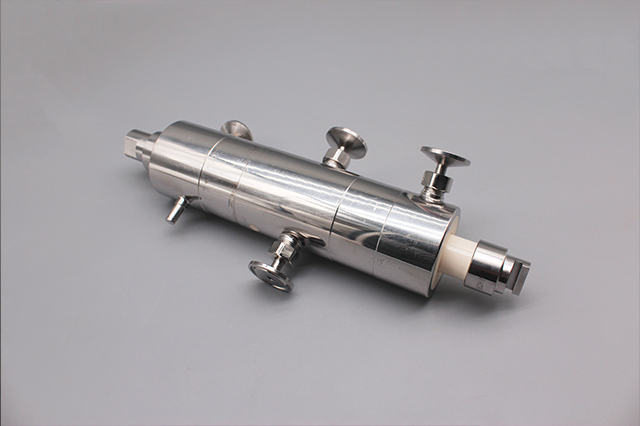
The physical properties, material science, and engineering mechanics dictate the core performance of the pump mechanism. Engineers must scrutinize several mechanical aspects during the design phase to ensure flawless operation.
The foundational requirement of any medical pump is absolute chemical neutrality. Wetted materials must never react with aggressive pharmaceutical chemicals, biological fluids, or harsh cleaning solvents. Advanced ceramics remain structurally stable at the atomic level, rendering them virtually completely chemically inert.
This inherent stability prevents the leaching of heavy metal ions, rust, or polymer nanoparticles into sensitive medical fluids. Ensuring zero chemical interaction is a critical requirement for maintaining the purity, efficacy, and safety of active pharmaceutical ingredients and delicate biological patient samples.
Volumetric accuracy is non-negotiable in medical dosing applications. A deviation of a mere few microliters can invalidate a diagnostic test result or harm a patient receiving intravenous medication. The exceptional dimensional stability of ceramics allows precision engineers to design ultra-tight, sub-micron clearances between the internal piston and the cylinder wall.
Industry-leading designs maintain clearances as tight as 2 to 3 microns. This microscopic gap creates a perfect hydrodynamic fluid seal. Consequently, this eliminates the need for traditional rubber O-rings or dynamic polymer seals. Engineers can achieve a dispensing accuracy of up to ±0.5 percent, ensuring absolute consistency over time.
Technical ceramics, particularly aluminum oxide and zirconium oxide formulations, possess a hardness level on the Vickers scale that easily shrugs off the continuous friction of heavy-duty dosing cycles. High wear resistance fundamentally prevents particulate generation.
By eliminating the risk of particulate shedding through friction, engineers can ensure that pharmaceutical batches remain entirely free from mechanical contamination. These systems routinely operate for millions of cycles without requiring recalibration or part replacement.
Medical fluid systems frequently undergo rapid and extreme temperature changes during pharmaceutical manufacturing or mandatory sterilization cycles. Materials with a high coefficient of thermal expansion will expand and contract. This fluctuation alters internal clearances and potentially causes binding or leakage.
Ceramics possess an exceptionally low coefficient of thermal expansion. This thermal stability ensures that internal clearances and strict volumetric accuracy remain intact, even when subjected to rapid heating and cooling during 121°C or 134°C pressurized steam autoclave cycles.
A mirror-like, non-porous surface finish is vital for medical applications. Engineers typically specify a roughness average Ra value of less than 0.2 micrometers for wetted surfaces. A flawless, ultra-smooth ceramic surface actively prevents bacterial adhesion, protein binding, and subsequent biofilm formation.
Controlling surface porosity at the microscopic level directly mitigates the risk of cross-contamination between different drug batches. This ensures each production cycle remains sterile and fully compliant with industry standards.
Beyond physical mechanics, system-integration factors heavily impact the deployment and legal compliance of medical fluid systems. Proper architecture ensures equipment passes rigorous regulatory audits.
Pharmaceutical manufacturing equipment must be thoroughly cleanable without requiring manual disassembly by operators. Disassembling equipment increases downtime and introduces the risk of human error and external contamination. Internal pump geometries must be designed to maintain optimal fluid velocity and avoid dead legs where fluids pool and bacteria multiply.
Implementing specialized hygienic solutions is critical for regulatory approval. Integrating CIP-SIP Ceramic Pumps allows for high-velocity chemical flushing and high-temperature steam sterilization. This maintains sterile environments without necessitating costly operational downtime.
The global regulatory landscape dictates every aspect of medical device design. Any component that comes into contact with the product must strictly align with established safety frameworks. Design teams must ensure alignment with FDA 21 CFR regulations, Current Good Manufacturing Practice guidelines, and ISO 13485 quality management standards.
Essential compliance documentation includes complete material traceability, USP Class VI certifications, documented validation of cleaning protocols, and empirical verification of volumetric consistency.
Handling delicate pharmaceutical fluids requires precise control over internal fluid dynamics. Live attenuated vaccines, complex protein solutions, monoclonal antibodies, and whole blood cells are highly susceptible to mechanical damage. If a pump exerts too much shear force, it can permanently destroy fragile cellular structures.
The internal flow path of precision ceramic dosing pumps must be engineered to minimize shear stress and turbulence. Valveless rotating and reciprocating piston designs are particularly effective at providing a gentle, low-pulsation flow. This preserves the biological integrity of delicate active ingredients throughout the transfer process.
A pump must integrate seamlessly into larger medical devices or automated manufacturing lines. Engineers must carefully evaluate physical footprint constraints within compact medical devices. Motor selection plays a crucial role. Stepper motors offer precise angular control for micro-dosing, while servo motors provide high-speed, continuous flow for bulk transfers.
Standardized communication protocols such as Modbus or EtherCAT must also be established for seamless integration into modern smart production lines.
Designing equipment for ease of maintenance directly and positively impacts the total cost of ownership. The initial procurement and precision diamond-machining costs of advanced technical ceramics are higher than standard alternatives. However, their vastly extended lifespan offsets these initial capital expenses.
The exceptional durability of ceramic components results in minimal unplanned downtime, drastically fewer replacement parts, and reduced labor costs. These systems deliver a significantly superior lifecycle return on investment for medical manufacturers.
Evaluating potential failure modes is a core responsibility of any medical engineering team. Here is an evidence-based look at how advanced ceramics address common operational risks.
Dynamic Seal Degradation: Traditional rubber O-rings and polymer lip seals naturally degrade over time due to friction and chemical exposure. This sheds microscopic elastomeric particles directly into a sterile drug batch. Seal-less ceramic pump designs utilize sub-micron mechanical clearances to create a perfect hydrodynamic fluid seal, completely eliminating the need for degradable polymer components.
Batch Cross-Contamination: Chemical residue or active ingredients from one drug can adhere to microscopic scratches in a metal pump casing, subsequently mixing with a different drug during the next production run. The extreme hardness and non-porous nature of polished ceramic surfaces prevent scratching. Combined with robust automated cleaning capabilities, this ensures complete residue removal.
An analysis of the current medical manufacturing landscape reveals a massive shift from traditional batch processing to continuous manufacturing. Industry reports highlight the rapid growth of advanced therapy medicinal products, including mRNA vaccines, lipid nanoparticles, and personalized gene therapies. These complex formulations demand fluid handling systems that produce absolutely zero shear stress and zero contamination.
The miniaturization of point-of-care diagnostic devices requires compact, ultra-precise dosing mechanisms that can operate reliably outside of traditional laboratory environments. In this evolving landscape, the adoption of advanced pharmaceutical ceramic pumps is no longer just an optional upgrade. It is a critical enabler for next-generation healthcare innovations. As biological therapies become more complex and expensive, the industry's tolerance for dosing errors or particulate contamination is rapidly approaching absolute zero.
Selecting a precision manufacturing partner requires rigorous vetting by procurement, quality assurance, and engineering teams. Decision-makers should evaluate potential suppliers based on specific, actionable technical criteria rather than general claims.
First, verify the manufacturer possesses in-house precision machining capabilities. Achieving the sub-micron tolerances required for true seal-less designs relies entirely on advanced diamond-grinding and lapping equipment. Look for suppliers who can guarantee clearances of 2 to 3 microns and surface finishes of Ra less than 0.2.
Second, evaluate their product specifications against your operational needs. A robust supplier should offer customizable dispensing volumes ranging from micro-liters to large batch transfers, with speeds up to 600 RPM or higher, and pressure handling capabilities up to 1.0 MPa. Transparent documentation is non-negotiable. Comprehensive material traceability, batch records, and certified testing data are essential for passing stringent FDA and EMA regulatory audits.
The complex requirements of medical fluid control demand uncompromising material choices and hygienic architectural design. Volumetric precision and chemical inertness serve as the foundational pillars for any successful pharmaceutical application.
By prioritizing wear resistance and strict regulatory compliance, engineers can build systems that operate flawlessly under immense pressure. Upgrading to high-quality ceramic fluid systems is a strategic measure that safeguards patient health, ensures product efficacy, and protects pharmaceutical brands from costly market recalls. Engineering and procurement teams are highly encouraged to evaluate their current fluid architectures and consult with specialized manufacturers. Discover tailored, high-precision solutions at HR Fluids to future-proof your medical applications today.
Advanced ceramics do not corrode, shed heavy metal ions, or wear down over time due to friction. This structural integrity ensures complete fluid purity and a significantly longer operational life compared to standard stainless steel components, which are prone to galling and chemical degradation under harsh cleaning protocols.
Yes. With the appropriate internal clearance engineering and correct motor torque design, ceramic pumps can easily handle highly viscous medical gels, topical creams, and heavy syrups. They achieve this without losing volumetric accuracy, experiencing pressure drops, or causing system blockages.
Ceramic pumps utilize a valveless rotating and reciprocating piston design that creates a smooth, low-pulsation flow. This gentle fluid dynamic minimizes turbulence and shear stress, ensuring that fragile cellular structures, proteins, and active biological ingredients remain entirely intact during the transfer process.
High-purity technical ceramics boast exceptional thermal stability. They can easily withstand standard pressurized steam autoclave cycles at 121°C or 134°C. Some advanced ceramic formulations can handle continuous operating temperatures well above 200°C without experiencing thermal expansion that would alter internal clearances.
Due to their extreme Vickers hardness and wear resistance, they can operate continuously for millions of cycles. They frequently outlast the primary medical equipment they are installed in, requiring far less replacement and maintenance than traditional plastic or metal alternatives.
It stands for Clean-In-Place and Sterilize-In-Place. It means the pump's internal geometry is specifically designed to be flushed with harsh cleaning chemicals and high-temperature steam without needing manual disassembly. This saves significant operational time and ensures absolute sterility between production batches.


