

close
Choose Your Site
Global
Social Media

Views: 0 Author: Site Editor Publish Time: 2026-11-06 Origin: Site


Are frequent pump failures disrupting your production schedule? Traditional metal pumps wear out quickly. This mechanical degradation causes costly fluid contamination. It also forces automated assembly lines into sudden, unplanned downtime. Today, industrial sectors are pushing the extreme boundaries of manufacturing precision. Formulating sensitive biopharmaceuticals and filling volatile battery electrolytes require flawless accuracy. Consequently, transitioning to advanced fluid control systems is no longer just an option. It is a critical operational upgrade.
In this engineering guide, we will analyze the highly reliable Ceramic Piston Dispensing Pump. We will explore its specific mechanical advantages, long-term reliability, and industrial applications. This breakdown will prove exactly why this technology stands as the most cost-effective and dependable choice for modern precision dispensing.
Unmatched Durability: Ceramic components utilize materials with extreme hardness. This drastically reduces mechanical wear and tear when compared to traditional stainless steel or plastic alternatives.
Chemical Inertness: Advanced engineered ceramics offer exceptional resistance to corrosive chemicals, aggressive acids, and alkaline solutions. This effectively prevents fluid contamination.
Precision and Consistency: A valveless design maintains strict micro-liter dispensing accuracy over millions of operational cycles. It does so without significant performance degradation.
Lower Total Cost of Ownership: The initial procurement cost may be higher. However, the extended operational lifespan and minimal maintenance yield substantial long-term financial savings.
Versatile Applications: These fluid control systems are highly effective for critical industrial sectors. Key areas include pharmaceutical manufacturing, cosmetics, lithium-ion battery production, and food processing.
The global manufacturing sector is currently experiencing a massive shift toward sub-microliter precision. Market analyses show a surging demand for technical ceramics in fluid handling infrastructure. The booming electric vehicle battery sector and the rapid expansion of personalized medicine heavily drive this adoption. Metal pumps simply cannot meet the rigorous purity and high-cycle demands of these modern applications. Engineers are now standardizing on ceramic components to permanently eliminate volumetric drift. This industry-wide transition highlights a clear preference for long-term reliability over cheap initial procurement.
Understanding the fundamental technology behind fluid control systems is essential. Engineers and procurement managers must evaluate different pump types based on mechanical reality. Ceramic pumps represent a specialized category of positive displacement devices. They are designed specifically for high-precision, low-volume fluid transfer operations.
The operational foundation of this equipment relies on a highly engineered valveless mechanism. Traditional diaphragm or peristaltic pumps depend heavily on flexible rubber components and mechanical check valves. In contrast, this architectural design utilizes only one moving part within the fluid path. A precisely machined ceramic piston operates directly inside a matching ceramic cylinder.
The mechanism functions through a synchronized rotating and reciprocating motion. As the piston rotates, a specially designed flat section on the end of the piston aligns with the inlet port. This draws fluid into the chamber as the piston pulls back. Continuing its rotation, the inlet port is blocked. The flat section subsequently aligns with the outlet port. The forward reciprocating motion then pushes the exact volume of fluid out of the discharge port. The clearance between the piston and cylinder is ground to microscopic tolerances of just a few microns. Therefore, the fluid itself acts as the hydrodynamic seal. This brilliant engineering completely eliminates the need for internal mechanical valves, rubber rings, or lip seals.
The stellar performance of these pumps depends entirely on the structural integrity of the raw materials. Industrial-grade fluid control systems primarily utilize two types of advanced technical ceramics. These are Aluminum Oxide and Zirconium Oxide.
Aluminum Oxide is highly favored for its remarkable hardness, excellent thermal stability, and dense molecular structure. It provides an incredibly rigid framework that actively resists deformation under intense pressure. Zirconium Oxide offers higher fracture toughness and bending strength. This makes it exceptionally resistant to mechanical shock while retaining excellent wear characteristics. Both materials undergo high-temperature sintering and precision diamond-grinding processes. This achieves a surface finish that is flawlessly smooth. Ultimately, this engineered density allows these components to handle highly abrasive slurries and aggressive chemicals without degrading.
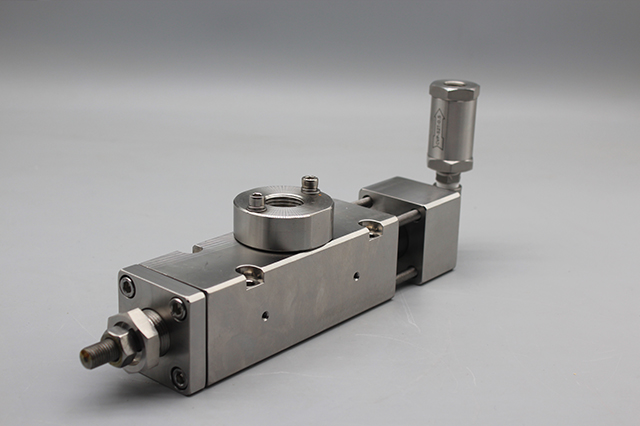
Decision-makers looking to upgrade their fluid handling infrastructure must understand the specific technical advantages of engineered ceramics. These core benefits directly translate into improved operational efficiency, reduced waste, and superior product quality.
The primary failure mode for traditional metal pumps is abrasive mechanical wear. On the Mohs scale of mineral hardness, advanced ceramics like Aluminum Oxide rank at approximately 9. Zirconium Oxide ranks at 8.5. To put this into perspective, standard 316 stainless steel typically ranks between 5 and 6.
This extreme hardness means that the ceramic piston and cylinder are virtually immune to micro-scratching. They resist the galling that constantly plagues metal components. Pumping abrasive fluids like polishing pastes, metallic suspensions, or slurries containing solid particulates destroys metal pumps. They quickly lose their internal tolerances. This leads to internal leakage and wildly inaccurate dosing. Conversely, ceramic components maintain their original geometry and microscopic clearances even after tens of millions of cycles. The equipment continues to operate at peak efficiency without material degradation.
Industries dealing with aggressive media require strict chemical compatibility. Advanced technical ceramics exhibit profound chemical inertness. They simply do not oxidize, rust, or react when exposed to harsh industrial solvents. They remain stable against aggressive acids and highly alkaline solutions.
This inertness provides a powerful dual advantage. First, it protects the pump infrastructure from corrosive damage. This prevents premature catastrophic failure on the factory floor. Second, it prevents product contamination. Metal pumps can leach metallic ions into the fluid being pumped. This is strictly unacceptable in sensitive biological applications or chemical synthesis. Ceramic pumps ensure that the fluid exiting the discharge port is identical in purity to the fluid that entered.
Many industrial processes require fluid handling at elevated temperatures. They often mandate stringent sterilization protocols. Ceramic components possess exceptional thermal stability. They maintain their structural integrity and dimensional stability across a remarkably broad temperature range. Plastics warp under heat. Metals expand significantly. In contrast, ceramics remain structurally resolute.
This high-temperature tolerance makes integrating a precision Ceramic Piston Dispensing Pump ideal for sterile environments. Facilities heavily utilizing Clean-In-Place or Sterilize-In-Place procedures benefit greatly. The equipment withstands high-temperature steam and hot sterilizing chemicals without experiencing thermal degradation.
Recent industry analyses highlight a significant shift in automated manufacturing. The tolerance for volumetric error is shrinking to the sub-microliter level. Facility managers are increasingly abandoning legacy mechanical pumps. High-stakes industries simply cannot afford the volumetric drift associated with metal degradation.
Pump failure is rarely an isolated incident. It typically triggers a cascading series of hidden financial costs. Imagine an automated line filling thousands of vaccine vials per hour. When a dispensing pump fails, the entire production process halts immediately. This leads to wasted raw materials, idle labor costs, and severely delayed order fulfillments. Furthermore, the manual labor required to disassemble, repair, and recalibrate traditional pumps consumes valuable engineering resources.
The inherent reliability of a valveless ceramic pump directly mitigates these risks. These units entirely eliminate wear-prone mechanical seals and check valves. They remove the most common points of failure found in fluid transfer. Consequently, facilities achieve continuous, uninterrupted production. This significantly boosts the Overall Equipment Effectiveness of the manufacturing plant.
In the realm of precision dispensing, volumetric drift is a critical, profit-killing issue. Drift occurs when a pump gradually loses its volumetric accuracy. Internal components wear down through friction. A traditional steel pump might dispense exactly 5.0 milliliters on day one. After a month of abrasive wear, it might dispense 4.8 or 5.2 milliliters. In pharmaceutical dosing or battery electrolyte filling, this margin of error triggers massive batch rejections.
Ceramic pumps permanently solve the problem of drift. The ultra-hard ceramic piston and cylinder do not wear down. The exact volumetric clearance between them remains constant year after year. This architectural stability ensures volumetric consistency. The pump maintains 99 percent or higher dispensing accuracy over millions of continuous cycles.
Procurement teams must objectively compare technologies across operational and financial metrics. This justifies the capital expenditure required to transition from traditional systems to advanced ceramics.
Stainless steel pumps are undeniably versatile. However, they rely heavily on consumable components. They typically utilize internal mechanical seals, rubber rings, and spring-loaded check valves. These soft components degrade rapidly through chemical exposure and mechanical friction. They require frequent replacement and routine lubrication.
In stark contrast, ceramic pumps feature a brilliant seal-less design. The precision fit of the ceramic components acts as the seal itself. This eliminates the need for external lubrication or internal rubber parts. It drastically reduces the maintenance burden. A stainless steel pump may require quarterly tear-downs and rebuilds in a harsh environment. A ceramic pump can often operate for several years with minimal human intervention.
Evaluating the true financial impact requires looking far beyond the initial purchase price sticker. The Total Cost of Ownership encompasses procurement, ongoing maintenance, lost revenue from downtime, and product waste.
Engineering Metric | Stainless Steel Pumps | Ceramic Piston Pumps |
|---|---|---|
Initial Purchase Cost | Moderate | Higher |
Maintenance Frequency | High (Regular seal replacements required) | Very Low (Seal-less hydrodynamic design) |
Wear Resistance | Moderate (Susceptible to abrasive slurries) | Excellent (Mohs hardness 8.5 to 9) |
Long-Term Accuracy | Declines over time due to volumetric drift | Consistent over millions of operational cycles |
Total Cost of Ownership | Higher (Driven by downtime and spare parts) | Lower (High ROI through continuous reliability) |
The upfront investment for a ceramic unit is generally higher. However, the return on investment is achieved surprisingly fast. Facilities eliminate spare parts inventory and reduce labor for maintenance. They also totally eradicate product waste due to inaccurate dosing. This makes ceramics the more fiscally responsible choice for long-term operations.
The unique physical properties of technical ceramics make them indispensable across various high-precision sectors. Identifying specific industry applications helps engineers understand the direct relevance of this technology.
The pharmaceutical industry operates under incredibly strict regulatory frameworks. Absolute hygiene and precise micro-dosing are mandatory. Ceramic pumps are widely utilized to dispense liquid medications, diagnostic reagents, and vaccines. The chemical inertness of the ceramics ensures strict compliance with FDA standards. It prevents any leaching of particulates into sensitive biological fluids. Additionally, their ability to withstand aggressive sterilization protocols ensures a completely sterile fluid path.
The global transition to renewable energy has vastly accelerated the demand for lithium-ion batteries. The manufacturing process involves dispensing highly corrosive battery electrolytes and highly abrasive electrode slurries. Traditional metal pumps corrode quickly. They suffer severe abrasive wear when handling these harsh materials. The extreme hardness and chemical resistance of ceramic components allow them to survive long-term in these punishing environments. They ensure precise electrolyte filling, which is vital for battery safety. For this exact reason, a specialized high-torque Ceramic Piston Dispensing Pump remains the top choice for tier-one battery manufacturers.
Fluid consistency and hygiene are paramount in cosmetics and food processing. These industries frequently handle viscous fluids. Thick creams, gels, lotions, and heavy flavor concentrates require careful handling. The positive displacement mechanism of ceramic pumps easily manages high-viscosity media. It operates without shearing or damaging the delicate product structure. Furthermore, the non-porous nature of polished ceramics ensures easy cleaning. It maintains absolute flavor and color neutrality between different product batches.
Selecting the appropriate fluid control mechanism requires a rigorous technical evaluation. The decision matrix must account for the physical properties of the fluid and the required production throughput.
Flow rate calculations represent the foundational step in pump selection. These units operate on a valveless, positive displacement principle. Every rotation of the internal piston displaces a precise, fixed volume of liquid. To determine the correct pump size, engineers must evaluate the maximum required volume per dispense. They must also calculate the total dispenses required per minute. Operating a motor beyond its optimal RPM range can lead to fluid cavitation.
Viscosity considerations are equally critical for system stability. Fluids are generally categorized by their resistance to flow, measured in centipoise. Water flows effortlessly and requires minimal driving torque. Conversely, heavy cosmetics or pharmaceutical pastes can exceed 50,000 centipoise. Ceramic pumps handle highly viscous materials exceptionally well. The valveless architecture entirely eliminates the risk of internal valves clogging. Standard models routinely handle viscosities ranging from 1 to 100,000 centipoise when paired with the correct motor.
Fluid Viscosity Range | Typical Industrial Examples | Recommended Motor Type | Port Size Consideration |
|---|---|---|---|
1 to 1,000 centipoise | Water, Reagents, Light Oils | Standard Stepper Motor | Standard Inlet and Outlet |
1,000 to 10,000 centipoise | Lotions, Light Syrups, Resins | High-Torque Stepper | Enlarged Inlet Port |
10,000 to 50,000 centipoise | Creams, Battery Slurries, Gels | Closed-Loop Stepper or Servo | Maximized Porting |
Above 50,000 centipoise | Heavy Pastes, Sealants | High-Power Servo Motor | Pressurized Feed Required |
Modern manufacturing environments rely heavily on interconnected, automated systems. A standalone fluid transfer device is rarely sufficient. It must communicate seamlessly with Programmable Logic Controllers, robotic dispensing arms, and automated conveyor systems.
The drive mechanism serves as the primary interface between the pump hardware and the automation control system. Stepping motors are the industry standard for these applications. They divide a full rotation into thousands of discrete steps. This allows for micro-liter volumetric accuracy. For successful integration, the stepper driver must accept standard industrial control signals.
For more complex automated assembly lines, closed-loop stepper systems or servo motors equipped with absolute encoders are highly recommended. These advanced systems provide real-time positional feedback to the main controller. They confirm that the motor has physically reached the commanded position. This closed-loop communication prevents missed steps and ensures stringent quality control.
Ceramic pumps are renowned for their near-zero maintenance requirements. However, implementing a standardized routine care schedule is vital for maximizing operational lifespan. The inherent hardness and chemical resistance significantly reduce part replacements. Still, proper handling remains essential.
One of the most significant advantages of advanced ceramics is exceptional resistance to harsh chemicals. This material stability dramatically simplifies maintenance. Clean-In-Place and Sterilize-In-Place protocols can be executed without disassembling the pump. This minimizes production downtime.
During a standard cleaning cycle, the pump is flushed with various cleaning agents at specific velocities. A typical sequence begins with a high-flow water rinse. A caustic wash follows to break down organic residues. Afterward, an acid wash may be circulated to remove mineral scaling. The process concludes with a final rinse of purified water. Ceramic components are completely inert to these aggressive chemicals. They will not corrode or pit over time.
The ceramic components themselves rarely require direct physical maintenance. However, engineers must monitor the auxiliary mechanical and electrical components. Establishing a routine inspection schedule prevents minor mechanical deviations from escalating.
Alignment is the most critical factor during routine inspections. The motor shaft must be perfectly aligned with the ceramic pump head. Any angular or parallel misalignment introduces lateral stress on the ceramic piston. Ceramics are incredibly hard, but they are also brittle compared to metals. Excessive bending forces caused by misaligned couplings can lead to premature wear or catastrophic cracking. Maintenance personnel should periodically verify the coupling integrity. Precision alignment tools confirm smooth operation.
Maintenance Task | Frequency | Action Required | Engineering Objective |
|---|---|---|---|
Visual Inspection | Daily | Check for external leaks or abnormal motor noise. | Early detection of mechanical issues. |
System Flush | End of Shift | Flush with compatible solvent or purified water. | Prevent fluid hardening in the internal chamber. |
Coupling Alignment | Quarterly | Verify motor-to-pump shaft alignment. | Prevent lateral stress on the brittle ceramic piston. |
Motor Bearing Check | Bi-Annually | Inspect stepping or servo motor for excess heat. | Ensure consistent torque delivery. |
Ceramic piston pumps have proven themselves to be an essential cornerstone for high-precision manufacturing. Their profound engineering advantages make them an indispensable asset. They offer unmatched wear resistance, chemical inertness, and absolute volumetric consistency. Facilities handling aggressive, viscous, or high-value fluids cannot afford to operate without them.
Upgrading from legacy metal components to advanced technical ceramics actively improves quality control. It significantly boosts operational efficiency and practically eliminates maintenance-related downtime. Ultimately, this technology is a highly intelligent, secure investment for long-term profitability and scalable production.
We strongly encourage you to thoroughly evaluate your current fluid dispensing infrastructure today. Consider the hidden costs of volumetric drift and mechanical wear on your bottom line. Explore the full range of engineered solutions and configure your ideal Ceramic Piston Dispensing Pump to safeguard your production line. Trust HR Fluid for specialized, high-quality manufacturing solutions tailored to your specific application needs.
A properly sized ceramic pump can handle highly viscous fluids up to 100,000 centipoise. Because the design is valveless, there are no internal check valves to clog or stick. When paired with a high-torque servo motor and enlarged porting, these pumps easily dispense thick pastes, heavy gels, and dense battery slurries without losing volumetric accuracy.
Cleaning is incredibly straightforward due to the chemical inertness of the ceramic materials. You can perform Clean-In-Place procedures by simply flushing the pump with aggressive cleaning solvents, hot caustic washes, or acids. The ceramic will not corrode. For sterile applications, the pump can withstand high-temperature steam during Sterilize-In-Place protocols without requiring any physical disassembly.
These units are engineered for extreme longevity. They often outlast traditional stainless steel or plastic pumps by a massive margin. The exceptional hardness of materials like Aluminum Oxide and Zirconium Oxide means the internal components experience virtually zero mechanical wear. In standard industrial applications, a properly maintained unit operates accurately for tens of millions of cycles spanning several years. The lifespan is generally limited only by auxiliary components like the driving motor.
Yes, they are exceptionally well-suited for abrasive fluids. Traditional metal gear pumps suffer severe mechanical wear when pumping slurries containing solid particulates. Ceramic materials rank near diamonds on the Mohs hardness scale. This extreme hardness allows them to process abrasive polishing pastes and metallic suspensions continuously without degrading the internal microscopic clearances.
Absolutely. Supreme chemical inertness is a primary engineering benefit of advanced ceramics. Metals can oxidize, rust, or leach ions into the fluid stream. Ceramics do not react with the vast majority of aggressive chemicals. They safely handle strong sulfuric acids, highly alkaline solutions, and volatile organic solvents. This ensures zero contamination of the fluid, which is critical in semiconductor manufacturing.
No, the internal ceramic components do not require any external lubrication. The manufacturing process involves precision grinding and polishing. This results in an ultra-smooth surface finish. The clearance between the piston and the cylinder creates a natural fluid seal. The liquid being pumped acts as its own hydrodynamic lubricant. This seal-less design eliminates the risk of product contamination.
Empirical data and industrial case studies clearly indicate an excellent return on investment. The initial procurement cost is higher than standard metal pumps. However, the total cost of ownership is substantially lower over the equipment's lifecycle. Financial savings are realized through the elimination of frequent seal replacements and a drastic reduction in maintenance labor. Sustained micro-liter accuracy also prevents the waste of expensive raw materials.


