

close
Choose Your Site
Global
Social Media

Views: 0 Author: Site Editor Publish Time: 2026-09-20 Origin: Site


Ceramic plunger pumps utilize advanced silicon carbide or alumina cores to deliver high-precision fluid dosing for demanding industrial applications. These specialized systems achieve a dosing accuracy of ±0.5% to ±1% and are engineered to handle rigorous fluid transfer tasks without introducing metal-ion contamination. By evaluating H&R FLUID specifications, technical buyers can determine how these pumps support strict precision requirements in pharmaceuticals, battery manufacturing, and fine chemicals. This article details the core materials, performance metrics, and application suitability to support your technical evaluation and procurement decisions.
Key Takeaways:
Core Materials: Pump cores are constructed from special-grade silicon carbide or alumina ceramic to ensure high durability, structural stability, and broad chemical compatibility.
Dosing Precision: Systems achieve a tight dosing accuracy of ±0.5% to ±1%, based on manufacturer specifications using pure water as the baseline testing medium.
Extended Lifespan: Manufacturer estimates suggest that ceramic pumps can extend service life by 3 to 5 times compared to traditional metal alternatives.
Industry Fit: The pumps are designed for high-purity, continuous-duty environments, including battery manufacturing, cosmetics, and pharmaceutical processing.
When evaluating ceramic plunger pumps for industrial integration, the foundational element that dictates overall performance is the composition of the pump core. In a typical plunger pump mechanism, a cylindrical plunger moves back and forth within a cylinder to displace fluid. This continuous mechanical action generates significant friction and stress, which is why the material composition of the core is the primary factor dictating long-term performance, reliability, and maintenance intervals.
H&R FLUID utilizes special-grade ceramics to construct their precision fluid-handling systems, moving away from traditional metal components that may degrade, deform, or contaminate sensitive fluids under harsh operating conditions. The primary materials used in these pump cores are selected for their specific mechanical and chemical properties:
Silicon Carbide: Known in material science for its extreme hardness and structural stability, silicon carbide provides exceptional wear resistance. This material is particularly suited for abrasive fluids or continuous-duty cycles where mechanical degradation is a primary operational concern. Its inherent rigidity ensures that the plunger maintains its exact dimensions over thousands of cycles, resisting the physical deformation that often plagues softer materials during high-pressure or high-friction operations.
Alumina Ceramic: Alumina offers a highly effective balance of mechanical strength, corrosion resistance, and cost-effectiveness. It provides an exceptionally smooth surface finish, which minimizes friction during the plunger stroke and prevents particulate buildup within the pump cylinder. This smooth finish is critical for maintaining a tight internal seal and preventing fluid slip, which can compromise dosing accuracy.
The physical properties of these specific ceramics directly enable the precise mechanical tolerances required for high-accuracy fluid handling. Because these materials resist physical deformation and chemical degradation, they provide a reliable, stable foundation for maintaining strict technical specifications and dosing accuracy over the lifespan of the equipment.
Because silicon carbide and alumina can be machined to exacting tolerances, they provide a highly stable foundation for precise fluid metering. For operations where exact chemical dosing is critical to product quality and safety, the mechanical stability of the ceramic plunger dosing pump translates directly into measurable, repeatable performance metrics.
H&R FLUID specifies that their ceramic plunger dosing pumps achieve a dosing accuracy of ±0.5% to ±1%. This metric is based on manufacturer specifications and testing conducted using pure water as the medium. Because pure water has a consistent, low viscosity, it serves as a standard, repeatable baseline for pump calibration. Maintaining this tight tolerance ensures consistent batch quality, reduces the waste of expensive chemical inputs, and allows for strict control over chemical reactions in complex processing environments. It is important for evaluators to note that actual dosing accuracy in the field may vary depending on the viscosity, temperature, and particulate content of the specific fluid being handled—such as thick cosmetic emulsions or dense battery slurries.
To accommodate different volume requirements across various industrial processes, the HRZS series offers scalable injection ranges. Specific configurations include:
Low-Volume Dosing: Models such as the HRZS-4-24/10 provide an injection range of 0-10 ml/pulse. This low-volume capability is highly suitable for concentrated additives, laboratory-scale processing, or fine chemical applications where minute, highly controlled adjustments are necessary to maintain formulation integrity.
High-Volume Dosing: Larger models like the HRZS-5-76/200 scale up to an injection range of 0-200 ml/pulse. This supports bulk transfer requirements and larger batch processing without sacrificing the core accuracy of the system, allowing facilities to scale their operations while utilizing the same underlying pump technology.
While achieving high precision during initial operation is important, the true value of these specifications lies in the system's ability to maintain that accuracy over extended operational periods without requiring constant recalibration.
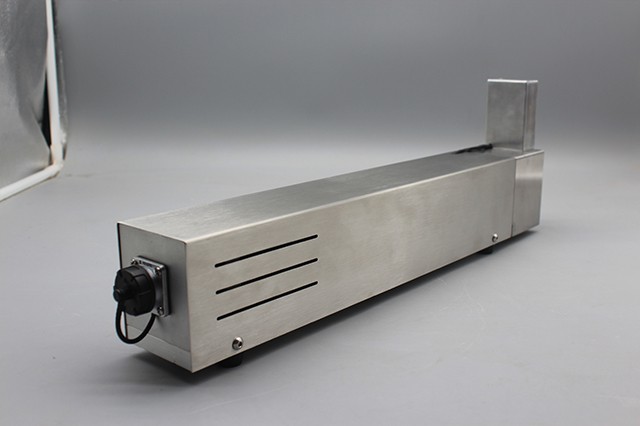
High precision requires sustained wear resistance to prevent the plunger and cylinder tolerances from widening over time. As mechanical wear occurs in any pump system, internal slip (the unintended backflow of fluid during a stroke) increases, which directly degrades dosing accuracy and operational efficiency. The inherent hardness of ceramic materials mitigates this physical degradation, allowing the pump to maintain its ±0.5% to ±1% accuracy rating over a significantly longer operational window.
Important limitation:
H&R FLUID estimates that ceramic pumps can extend service life by 3 to 5 times compared to metal pumps. This is a manufacturer estimate based on internal assessments, not an absolute guarantee across all operating conditions. Actual lifespan extensions will vary depending on fluid viscosity, particulate content, operating pressure, and facility maintenance schedules.
Beyond mechanical longevity, the wear resistance of ceramic components provides a critical chemical advantage: the elimination of metal-ion release. In traditional metal pumps, the continuous friction of the plunger against the cylinder can shed microscopic metal particles into the fluid stream. Because ceramic cores do not contain these metals, they inherently prevent this specific type of contamination.
In sensitive applications, such as battery manufacturing, stray metal ions can cause internal short circuits or degrade overall cell performance. In pharmaceuticals, metal contamination can compromise the safety, stability, and efficacy of the final product. The combination of sustained mechanical precision and the prevention of metal-ion contamination makes these pumps highly suitable for industries with strict purity requirements and aggressive fluid profiles.
The durability and purity enabled by ceramic cores align directly with the rigorous demands of specialized manufacturing sectors. Ceramic plunger pumps are widely utilized in environments where fluid contamination or dosing inconsistencies can lead to catastrophic batch failures, safety hazards, or regulatory non-compliance.
Primary industrial applications include:
Pharmaceuticals: The absence of metal-ion release is critical for active pharmaceutical ingredient (API) processing and formulation. In this industry, purity is strictly regulated, and even trace contamination can render entire production batches unusable.
Battery Manufacturing: Electrolytes and slurries used in modern battery production are often highly corrosive or contain abrasive particulates. Ceramic components resist this chemical attack and physical wear while maintaining the precise dosing required for battery cell consistency and long-term performance.
Fine Chemicals: This industry requires the exact blending of expensive or highly reactive ingredients. The ±0.5% to ±1% dosing accuracy ensures formulation stability and safe chemical reactions during the critical scale-up phase from laboratory to production environments.
Cosmetics: Cosmetic production requires consistent texture and active ingredient distribution. Facilities rely on precise dosing pumps to handle viscous fluids and delicate emulsions without introducing impurities or degrading the product through excessive mechanical shear.
To support integration into these highly regulated environments, the fluid-contact materials in H&R FLUID pumps are designed to meet specific industry standards.
Important limitation:
According to the manufacturer, all fluid-contact materials are designed to comply with FDA and RoHS standards. Buyers should request and verify actual compliance certificates during the procurement process to ensure the equipment meets their specific facility and regulatory requirements.
Integrating these systems into complex, regulated environments requires careful evaluation of specific operational parameters and maintenance expectations to ensure long-term success.
Yes, they are widely used in pharmaceutical processing. The ceramic cores prevent metal-ion release into the fluid stream, which protects sensitive formulations. Furthermore, the manufacturer states that fluid-contact materials are designed to comply with FDA standards, supporting the high-purity manufacturing requirements of the pharmaceutical industry.
The ±0.5% to ±1% dosing accuracy ensures that exact volumes of chemicals are dispensed per pulse. This tight tolerance prevents the over-dosing of expensive additives and ensures consistent chemical reactions, which is critical for maintaining batch-to-batch quality, reducing material waste, and ensuring safety in fine chemical production.
Silicon carbide is highly wear-resistant, which generally reduces the frequency of component replacement compared to softer materials. However, maintenance schedules still depend heavily on the specific fluid being pumped, operating pressures, and duty cycles. Regular inspection of the plunger and seals is required to maintain optimal dosing accuracy over time.
H&R FLUID estimates that their ceramic pumps can extend service life by 3 to 5 times compared to metal pumps. This estimate reflects the superior hardness and wear resistance of ceramics, though actual lifespan extensions will depend on the specific application, fluid abrasiveness, and the operating environment of the facility.
Selecting the correct fluid transfer equipment requires matching the specific demands of your process to verified pump capabilities. Ceramic plunger pumps offer distinct advantages in wear resistance, dosing precision, and fluid purity, making them strong candidates for demanding industrial applications in battery manufacturing, pharmaceuticals, and chemical processing.
To advance your technical evaluation, review the specific injection ranges of the HRZS series to ensure they align with your volume requirements, whether you need 0-10 ml/pulse for micro-dosing or up to 0-200 ml/pulse for larger batches. Buyers should contact H&R FLUID to request specification confirmation based on their exact fluid properties, viscosity, and duty cycles. Additionally, request the relevant FDA or RoHS compliance documentation to verify that the materials meet your facility's regulatory standards. Explore the full range of products to identify the optimal configuration for your precision dosing needs.


